About

As an organisation, IAFOR’s mission is to promote international exchange, facilitate intercultural awareness, encourage interdisciplinary discussion, and generate and share new knowledge. In 2018, we are excited to launch a major new and ambitious international, intercultural and interdisciplinary research initiative that uses the silk road trade routes as a lens through which to study some of the world’s largest historical and contemporary geopolitical trends, shifts and exchanges.
IAFOR is headquartered in Japan, and the 2018 inauguration of this project aligns with the 150th anniversary of the Meiji Restoration of 1868, when Japan opened its doors to the trade and ideas that would precipitate its rapid modernisation and its emergence as a global power. At a time when global trends can seem unpredictable, and futures fearful, this Silk Road Initiative gives the opportunity to revisit the question of the impact of international relations from a long-term perspective.
This ambitious initiative will encourage individuals and institutions working across the world to encourage research centring on the contact between countries and regions in Europe and Asia, from Gibraltar to Japan, and the maritime routes that went beyond into the South-East Continent and the Philippines, and later out into the Pacific Islands and the United States. The IAFOR Silk Road Initiative will concern all aspects of this contact, and will examine both material and intellectual traces, as well as consequences.
Lead Institutions
-
 MONETA
 -
 DAMIN
DAMIN -
 The IAFOR Research Centre (IRC), Japan
 -
 École Normale Supérieure (ENS), France
 -
 The International Academic Forum (IAFOR), Japan
 -
 University of Belgrade, Serbia
 -
 Osaka University, Japan
Rationale
The occidentalisation of history and the grand narrative of European and American progress has consigned the Silk Road instead to historical quaintness, exotic literary caricature in the adventures of Marco Polo, or the sort of esoteric academic investigations that receive little attention. This largely ignores its huge historical and present-day importance and relevance to the routes and paths that continue to connect humans through trade and exchange.
In a world of rankings, algorithms, unedited “news”, and self-referential “centres of excellence”, it is facile to conclude that the centre and pinnacle of all knowledge is held by a few pockets of venture-capital-backed open-plan offices in Silicon Valley, or schools and universities in which the cloistered architecture does not even offer the pretence of openness. Globalisation, and the technology that has enabled it, has allowed an immense flowering of possibilities in communication and access to knowledge, while at the same time increasing alienation from self and society, encouraging “virtual” worlds, creating and cementing fissures, and encouraging fear of the foreign.
It is only through encounters with difference that we are able to shape ourselves and our ideas, and physical human interaction is and remains at the source of all value. The international, intercultural and interdisciplinary meetings that lie at the heart of IAFOR and this research initiative have never been more important in our globalised world.
Kobe 2018
In the new century there are many complex challenges facing all of humanity, from tangible concerns such as health care, poverty, climate change, food and energy security, to conflict prevention, as well as problems of how to address these issues at the global and local levels. In such a global endeavour, synergy of knowledge and wisdom between different traditions, communities and civilisations is as important as ever to come up with better solutions. And there could not be a more fitting place in Japan than Kobe for the start of an important dialogue. Why?
Kobe, the host city of IAFOR’s Japan conferences, is celebrating 150 years since opening its doors to the world in 1868, one year before the Meiji Restoration. Kobe has since been one of the leading Asian ports for trade alongside Shanghai, marking its name in the early last century as the international face of a modernising Japan in the regional setting of Kansai – an area that is historical, innovative and outward-looking. The city has one of the oldest Chinese and Indian communities in Japan because of this history, and has been home to many European and Russian (Jewish) émigrés. More recently, it has overcome the crippling destruction of its city centre and port facilities in the 1995 Kobe-Awaji earthquake.
But there is more. Kobe and the Kansai area, 500 km east of Tokyo and Kanto, home to Kyoto, Osaka and Sakai, represent the inherent strength (sokojikara) of Japan as the vortex of Japan’s cultural, political and commercial activities for nearly 13 centuries. In the old days Kyoto and the older capital Nara were the repository of religion, knowledge, technology and civilisation that reached Japan by way of the Silk Road. In more recent times, Sakai, one of the oldest port cities near Osaka and the birth place of Senno Rikyu, the grand tea master, traded with the Spanish and Portuguese. Sakai was the main manufacturer of guns in 16th-century Japan. Osaka has been the biggest commerce centre since Edo-period Japan, pioneering in futures trade and giving birth to many large trading houses that would provide the social capital for rapid industrialisation in the Meiji era. Even though the capital has moved to Tokyo, Kansai continues to flourish, in this rich cultural heritage and tradition of innovative thinking, as a place where East mingles with the West over time and space in ways that Tokyo cannot match.
The symbolism of Kobe and Kansai is important to Japanese identity, as it has faced its own post-industrial challenges since the economic slump. The key to Japan’s renovation and continued relevance to the world is to rediscover and reappraise our own history of modernisation with a view to opening up to and engaging with the world in a more dynamic way.
Associated Researchers
-
 Professor Aleksandra VranesUniversity of Belgrade, Serbia
 -
 Dr Ljiljana MarkovicUniversity of Belgrade, Serbia
 -
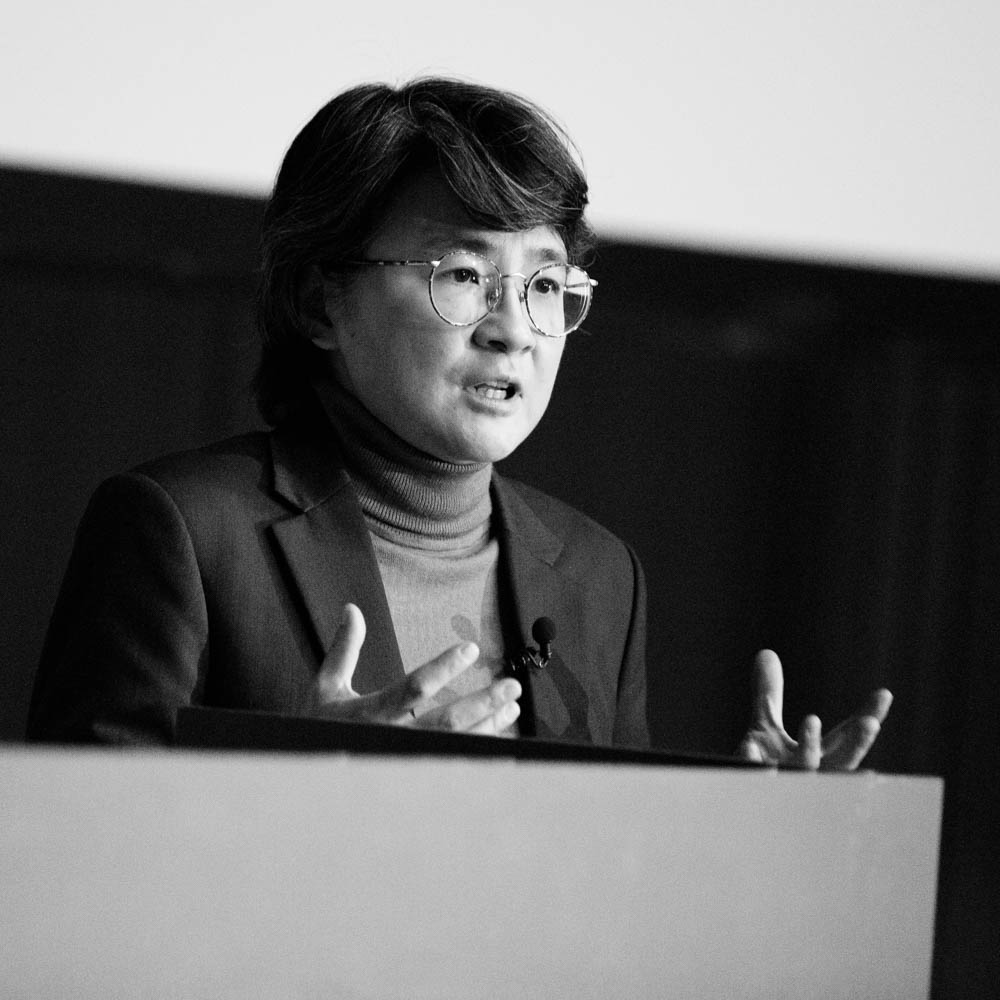 Professor Haruko SatohOsaka University, Japan
 -
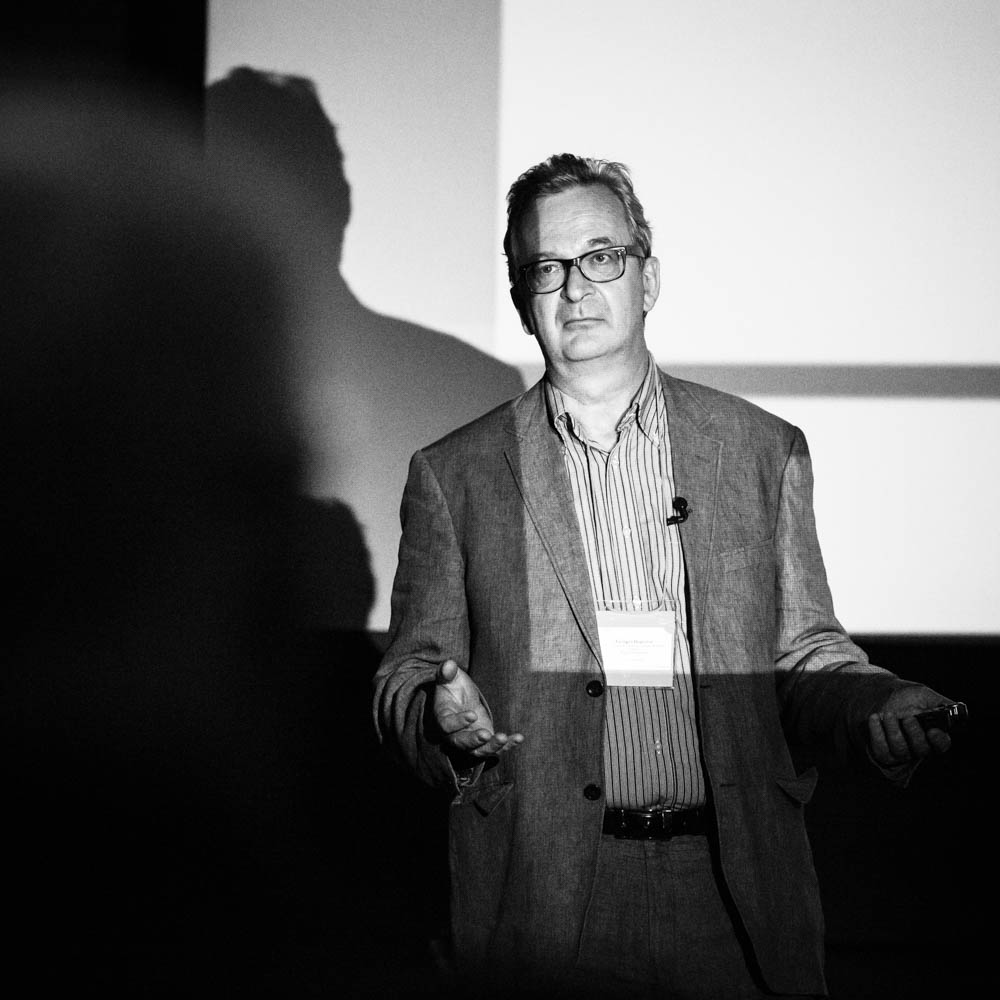 Professor Georges Depeyrot (Initiative Director)French National Center for Scientific Research, France
 -
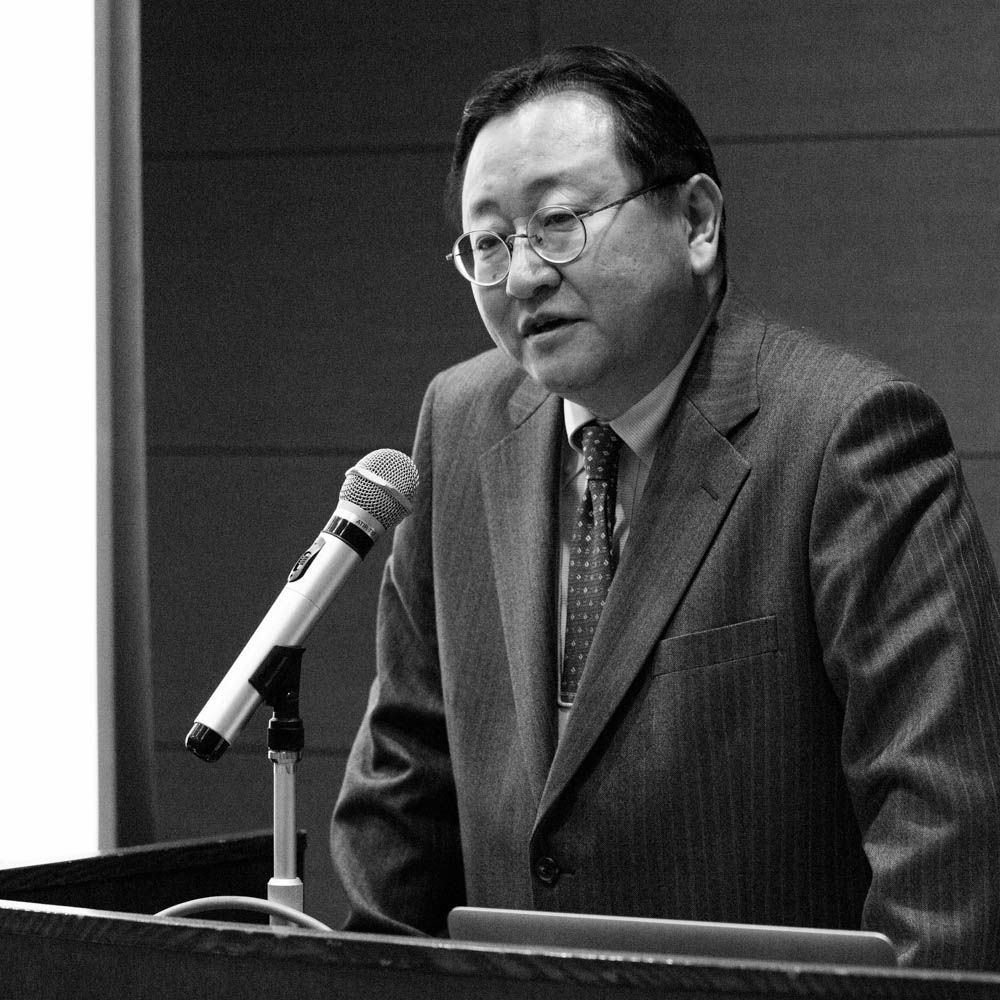 His Excellency Professor Toshiya HoshinoThe United Nations
 -
 Dr Maxime JaffréCentre Norbert Elias, France
 -
 Dr Elena RaevskikhCentre Norbert Elias, France
 -
 Dr Joseph HaldaneThe International Academic Forum (IAFOR), Japan
 -
 Dr Elena MishievaLomonosov Moscow State University, Russia
Call for Proposals

To be informed of the latest developments and to express your interest in joining the IAFOR Silk Road Initiative’s mailing list, join by clicking here.
Streams
- Stream I
Space & Place: Geography, Architecture & The Built Environment - Stream II
Cultural, Artistic, Linguistic & Literary Encounters & Exchanges - Stream III
Ethics, Religion & Philosophy - Stream IV
Economics, Business, Finance & Currency (Belt and Road) - Stream V
Education & International Development - Stream VI
Security & International Relations
Regions
- Western Europe
- Eastern Europe/Eurasia & Central Asia
- South & South-East Asia
- East Asia & The Asia Pacific
Conferences
Since 2009, The International Academic Forum (IAFOR) has welcomed over 18,000 academics to its interdisciplinary conferences held in Japan, UK, Spain, USA and UAE.
A series of round tables on the IAFOR Silk Road Initiative are being held in Japan, the UK and Spain in 2017, and the initiative will become a central aspect of a series of conferences, meetings, seminars and workshops from 2018 in Asia, Europe and North America.
Details of these conferences and events can be found via the links below:
- Stream I: Space & Place – Geography, Architecture & The Built Environment
- Stream II: Cultural, Artistic, Linguistic & Literary Encounters & Exchanges
- Stream III: Ethics, Religion, Philosophy & Psychology
- Stream IV: Economics, Business, Finance & Currency (Belt and Road)
- Stream V: Education & International Development
- Stream VI: Security & International Relations
No portfolio items have been added yet.
Subscribe
To be informed of the latest developments, join the IAFOR Silk Road Initiative’s mailing list by indicating your academic and geographical area(s) of interest.